Aren’t we having fun?
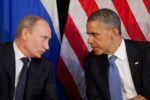
Russia has moved into Syria and America doesn’t like it. What’s not to like? The United States has been controlling the Middle East and restricting the power of other allied nations. Now Russia is seeing a role for itself in the conflict and whether by stealth or compassion is most certainly making itself felt. They have put America on the back foot. America, currently is not on the front foot. The history of these two superpowers in the Middle East is long and awfully complex. Russia couldn’t make it work in Afghanistan and then America came along and didn’t do very well at all. America went a lot further and really helped in the Arab Spring and a total stuff up of the life of millions of people some – who lived – are desperately finding refuge in Europe. What interest me is the pose of Barack Obama. He meets with Vladimir Putin at the United Nations overnight and is cold, staunch, serious…and quite frankly, looks really boring. What is he trying to prove with his demeanour? Obama came to office as an open and friendly president who promised much for his people but has ended up as a bit of a grouch. He is not on top of his game and he is dealing with both houses being controlled by the republicans. Putin looks compassionately at Obama as he does to someone with a head cold or an attack of appendicitis. He isn’t that bothered by the withering stare or the cold energy when they are together. He knows why he is in New York, gives his address, makes his point and goes back home. Back to Syria. The Russians have to be careful. They are seen to be backing Assad and their ground troops and jets need to […]