Cities need more ‘living green’, concludes International conference
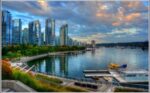
The importance of ‘living green’ was brought to the attention of sixteen countries at an International Green City Conference this month. Becoming the greenest city in the world, using plants to manage stormwater threats, how to implement greening and change the public mindset, how buildings need to be able to ‘heal people and the benefits of a ‘Green City’, were all on the agenda. Organised by the International Association of Horticultural Producers (AIPH) and the Canadian Nursery Landscape Association (CNLA) the event was held in Vancouver, Canada on 14-18 March. Sponsored by TD and Davey Trees, it attracted delegates who are committed to greening city landscapes. Vancouver is working towards being the greenest city in the world by 2020. The former Mayor of Vancouver and Premier of British Columbia, Mike Harcourt, opened the conference by demonstrating that Vancouver has had an environmental focus since the 1980s when back then they were already looking at alternatives to cars and different energy sources as well as planning the city to be more sustainable. For a long time it has been a philosophy of Vancouver that there is a close link between greening the city, economic sustainability and livability. Vancouver Urban Forest Strategy which has a target of achieving 22% tree coverage in the city by 2050 was introduced by Bill Stephen from the City of Vancouver. In a densely populated city this is a big challenge as growing space has reduced with city development, but initiatives such as ‘Street tree cooling networks’, the ‘citizen forester’ and planting 150,000 trees by 2020 will all help in reaching the goal. Local examples of green city projects were provided from the University of British Columbia, including the East Clayton Neighbourhood Project, introduced by Patrick Condon and Sara Barron, and how plants have been used to […]